Off-page SEO is everything you do outside your own website to show search engines it is trusted and worth ranking. Backlinks are the biggest part, but brand mentions, local citations, reviews and community activity all count. This checklist covers fifteen off-page SEO techniques that work in 2026, with links to free, tested sites for each one.
All the submission lists mentioned here are part of our free instant approval backlinks collection. Each site is checked from our server, and the ones our team uses for client work are marked Team proven.
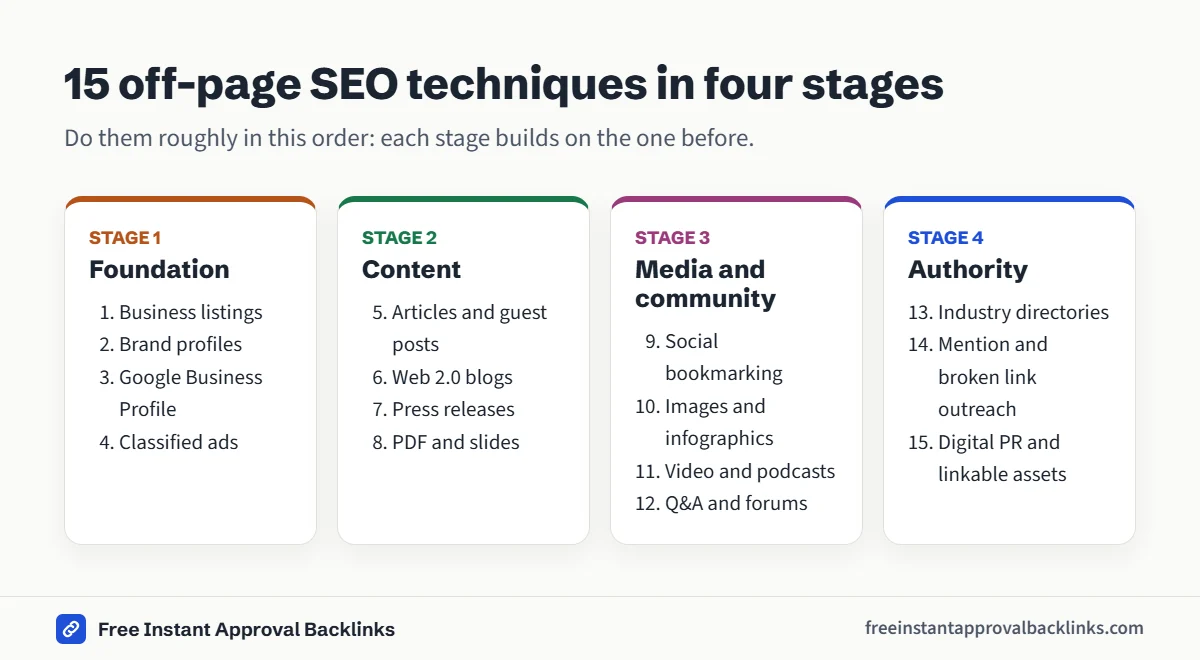
Foundation: do these first
1. Business listings and local citations
List your business with the same name, address, phone and website on the main directories in your country. This is the most important off-page task for any local business, and it also builds trust for online-only brands.
Free sites: India, USA, UK, Australia and New Zealand
2. Brand profile creation
Claim your brand name on social networks, communities and industry platforms, with a consistent bio and a link to your site. It protects your brand and gives Google more places that confirm who you are.
Free sites: profile creation sites list
3. Google Business Profile and reviews
For local businesses, a complete Google Business Profile with regular reviews often matters more than any backlink. Reply to every review, good or bad.
4. Classified ads
For local services and products, a few well-written free classified ads add citations and can bring enquiries.
Free sites: free classified sites in India
Content-led techniques
5. Article submission and guest blogging
Publish useful articles on blogging platforms, and pitch guest posts to respected sites in your industry. The second is harder but far more valuable.
Free sites: article submission sites list
6. Web 2.0 blogs
A small blog on a free platform, with a few real posts on your topic, gives you a place to link from that you control.
Free sites: Web 2.0 sites list
7. Press releases
Real news, such as a launch, funding, award or partnership, can earn coverage and links. Most free press release links are nofollow, so the value is in pickup by real publications.
Free sites: press release sites list
8. PDF and slide sharing
Turn guides, checklists and presentations into documents with links back to your site.
Free sites: PDF submission sites list
Media and community
9. Social bookmarking
Save your best pages on active bookmarking sites with a real title and description. It helps new pages get found.
Free sites: social bookmarking sites list
10. Image and infographic sharing
Share original images, charts and infographics with a credit link. Good visuals get reused, and people who reuse them often link back.
Free sites: image submission sites list
11. Video and podcast distribution
Publish short videos and audio on the main platforms with links in the description. Video results also show in Google.
Free sites: video sites, podcast and audio sites
12. Q&A and forum participation
Answer real questions in your field. Link only when your page genuinely helps the person asking.
Free sites: Q&A and forum sites list
Authority builders
13. Industry and startup directories
Relevant directories, associations and product listings are strong, on-topic links.
Free sites: niche industry directories, startup and SaaS directories, web directories
14. Brand mention and broken link outreach
Find sites that mention you without a link, or link to dead pages on your topic, and ask them to link to you. Both have high success rates for little effort.
15. Digital PR and linkable assets
Original data, free tools, templates and expert commentary earn links from news sites and blogs. This is where the strongest links come from.
Off-page SEO checklist
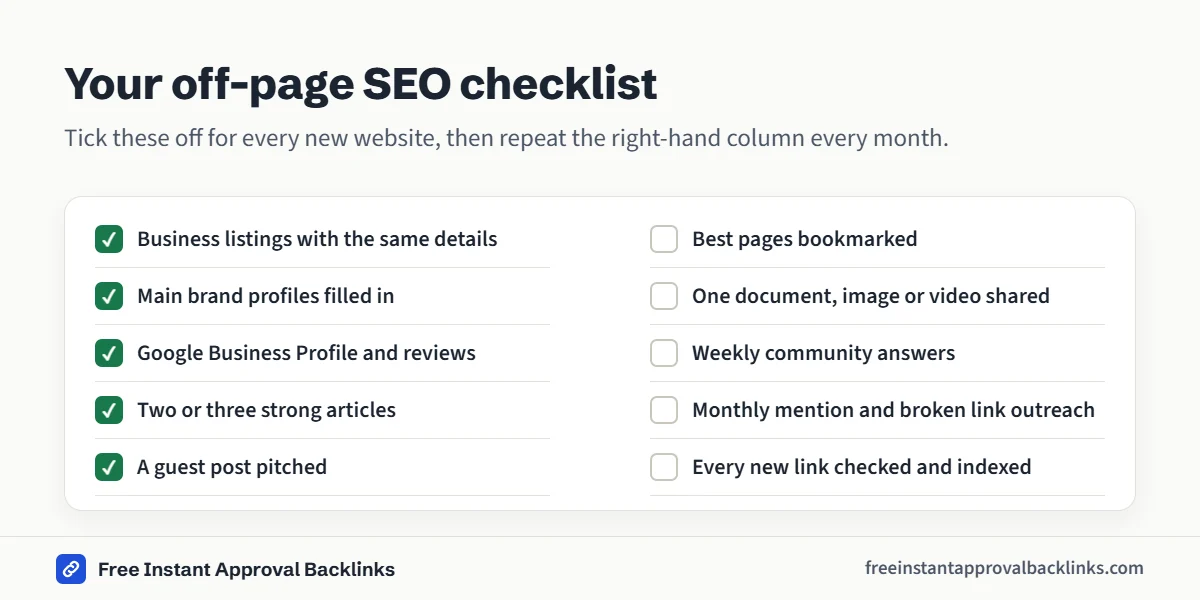
- Business listings done, with the same details everywhere.
- Main brand profiles claimed and filled in properly.
- Google Business Profile complete, with a plan for reviews.
- Two or three strong articles published, with one guest post pitched.
- Best pages bookmarked on a few active sites.
- At least one document, image or video shared with a link.
- Answering questions in one or two communities each week.
- Monthly outreach for brand mentions and broken links.
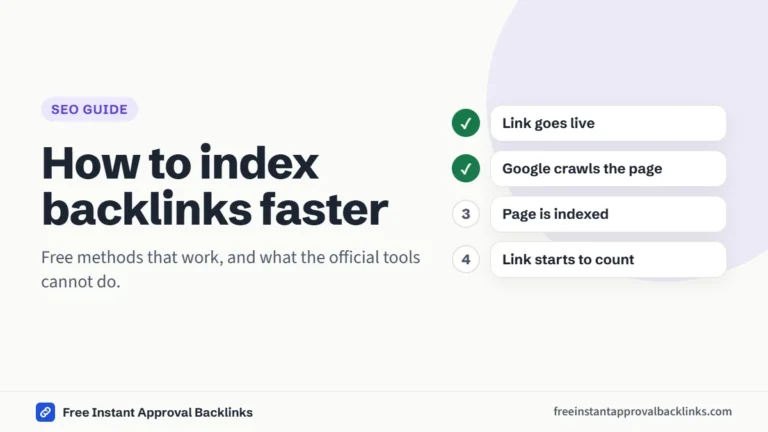
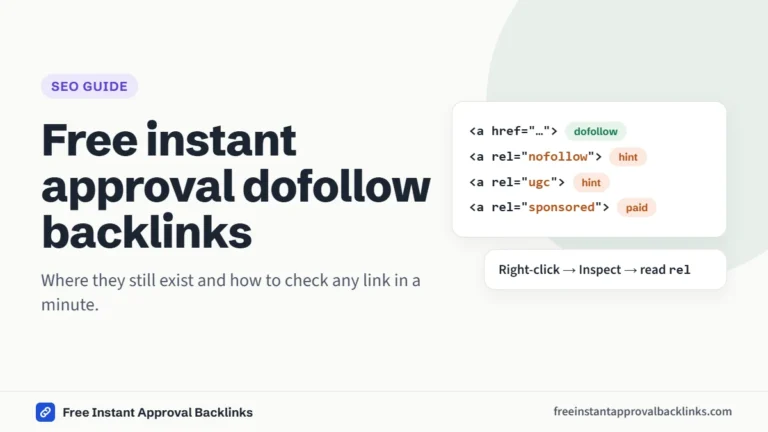
- Every new link checked: is it live, dofollow or nofollow, and indexed?
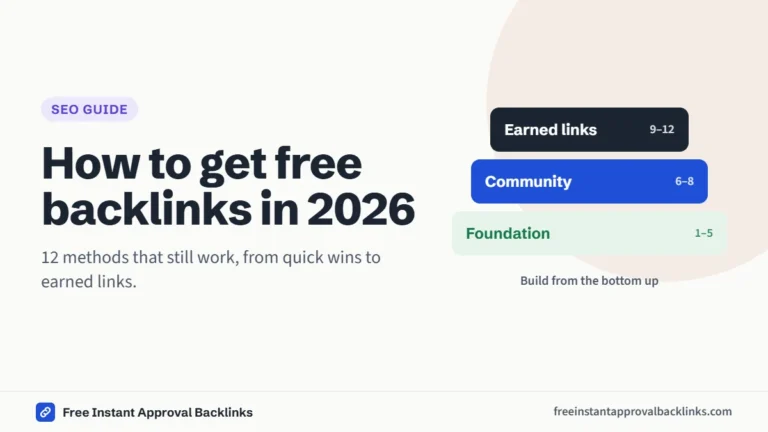
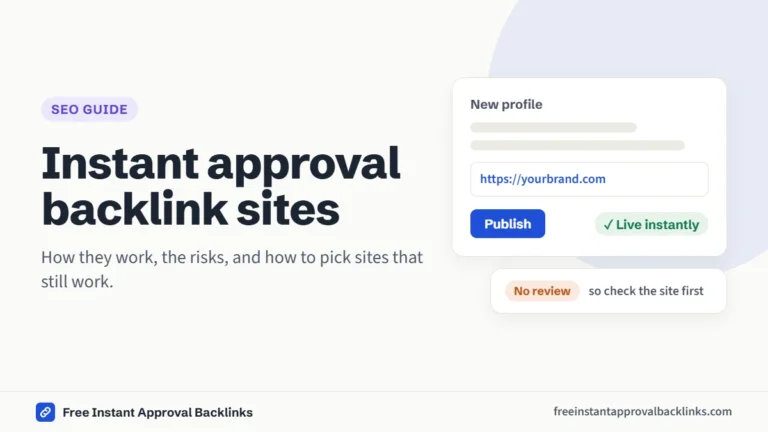
For the last step, see how to check dofollow links and how to index backlinks faster. If you are new to free submission sites, read instant approval backlink sites explained first, and 12 ways to get free backlinks for a monthly plan.
Frequently asked questions
What is the most important off-page SEO technique?
Earning links from relevant, trusted websites. For local businesses, business listings and Google reviews come a very close second and are much easier to start with.
Is off-page SEO only about backlinks?
No. Brand mentions, reviews, local citations, social presence and community activity all help search engines judge whether a site is trusted.
How much off-page SEO should I do each month?
Consistency matters more than volume. A few hours each week on listings, content and outreach usually beats a burst of hundreds of links followed by nothing.
Do submission sites still work for off-page SEO?
Good ones do, as a foundation. Use active, clean sites, fill profiles properly and avoid keyword-stuffed link text. Then build earned links on top.